
Insurance For Transitioning Military

October 7, 2020

As I began my journey into the civilian world after a 20 year career in the United States Navy, I often felt like I was drinking from a firehose. Most veterans and military who have served understand the massive amount of water that flows at one time from a firehose to combat fires onboard naval vessels. How in the world do we make the right decision when so much information is being thrown at us?


Throughout my time in service, I was usually asked three basic questions when it came to my financial situation.


First, did I update my page 2 in my service record. Page 2 held the next of kin and emergency contact information. If someone is listed on this page, they are the unfortunate loved ones who receive a visit from a well-dressed or uniformed member to inform them a military member is either missing or killed while serving their country.


Second, have I updated my SGLI? SGLI stands for Servicemembers Group Life Insurance. Similar to most group insurance plans, this policy is in effect only while serving our country. This policy is in effect for 120 days after retirement or the last day of the month the contract expires.


Third, was if we invested in TSP, or the Thrift Savings Plan. Group retirement accounts can be contributed while employed, but are frozen until retirement age once the employment ends. This one size fits all does not adequately prepare our military personnel for retirement.


One often overlooked factor in retirement planning is insurability. Benefits of serving include a good diet, regular exercise, and physical requirements to continue military service. Aches and pains, chronic conditions, and other medical conditions are documented to be presented to the Department of Veterans Affairs for financial compensation as a result of military service. Arduous duty or combat injuries contribute to a disability rating for a monthly income for the rest of the servicemember’s life. Especially during the final six to nine months of their career, most individuals are instructed to get every condition documented in their medical record.


I again emphasize that most military personnel are insurable. When I meet with both active duty and transitioning military, I often ask them this question... “What do you think the underwriters base their decision on?”


A look of realization comes across their face. I hear responses that center around the fact of speaking with me first prior to visiting the doctor on several occasions for approval from the VA. I could not agree more.


Our health and age purchase life insurance products. Whether we realize it or not, we are all faced with our mortality at one point in our lives. For some of us, this realization comes too late. We get a diagnosis from our doctor that slaps us into the reality that we all will eventually pass away. We lose a loved one or hear of an untimely passing of someone we know. Then what happens? We see an emotional social media post with an attached request to raise money for the surviving family members.


It doesn’t have to be this way.


I have spent the last five years discussing challenges with our military members. I hear their stories and listen to the confusion of not knowing where to turn. I look at the faces of the loved ones in the room as they see their beloved hero uncertain of the future. Again, I say….


It doesn’t have to be this way.


Many organizations exist to assist our military and veterans, especially where I reside in southern California. One of these organizations serves the entire community. 2-1-1 San Diego exists to provide information on a variety of subjects for education, emergency updates, resources, and community information. We are proud to be listed as the only insurance agency as an approved resource on 211sandiego.org. 


We earned that designation by providing our education-first approach to everyone in our community. We focus on assisting our veterans and military with time-proven strategies from the top-rated carriers in the nation. We can provide options and suggestions to our clients as they navigate their options as they take the next steps into the future. Allow us to work for you to take the next steps together for your future.


By Marc Sigmon December 27, 2025
Over the last 10 years, I have worked in the Medicare industry and experienced a wide range of challenges alongside my clients. From navigating the COVID-19 pandemic, to contract changes involving Scripps Coastal and Scripps Clinic Medical Groups, rising healthcare costs, physician group affiliation changes, and increasing prescription drug prices—one constant has remained true: education and regular policy reviews are essential to understanding Medicare . Medicare is not a “set it and forget it” program. Coverage options, provider networks, prescription drug formularies, and plan availability can change from year to year. Staying informed is often the difference between avoiding unexpected disruptions and facing unnecessary costs or limitations in care. Underwriting and Preexisting Conditions One of the most misunderstood aspects of Medicare involves underwriting and preexisting conditions. Many people assume Medicare functions like employer-sponsored insurance, but the rules can be very different. When someone first becomes eligible for Medicare, there are protected enrollment periods during which medical underwriting does not apply. Outside of those windows, underwriting may come into play depending on the type of coverage being considered. This is especially important for individuals currently enrolled in a Medicare Advantage plan who later wish to move to a Medicare Supplement. In most cases, medical questions are required, and a carrier may approve the application, charge a higher premium, or decline coverage altogether based on health history. Timing matters. Before applying for coverage that requires underwriting, individuals should explore whether a protected enrollment opportunity exists. What Are Special Enrollment Periods? A common question I hear is: “What are Special Enrollment Periods, and do they apply to me?” Special Enrollment Periods (SEPs) allow Medicare beneficiaries to make changes outside of standard enrollment windows due to qualifying life events. In some cases, insurance carriers may also offer a guaranteed issue period—sometimes referred to as an underwriting holiday—allowing plan changes without medical underwriting. If a guaranteed issue opportunity is not available, certain life events may still trigger an SEP. For example, moving to an area where a current plan is no longer available can open a Special Enrollment Period and allow changes without underwriting. Understanding whether an SEP applies before making coverage decisions is critical. Plan Discontinuations and Coverage Changes In 2025, looking ahead to the 2026 plan year, a number of PPO Medicare Advantage plans were discontinued. When this occurs, individuals are typically given the opportunity to select another Medicare Advantage plan. If no action is taken, they are disenrolled and returned to Original Medicare (Parts A and B). While this ensures continued coverage, it can create gaps if prescription drug coverage or supplemental coverage is not reviewed in advance. These changes highlight why annual reviews are so important, even for individuals who have been satisfied with their coverage in the past. You’re Not Always Locked In During client meetings, I often encounter hesitation because people worry they will be locked into a plan for the entire year. Fortunately, that is not always the case. The Medicare Advantage Open Enrollment Period runs from January 1 through March 31 each year. This allows individuals already enrolled in a Medicare Advantage plan to make a one-time change if something unforeseen occurs. I often refer to this as the “OOPS period”—a safety net for those who discover early in the year that their plan is not the right fit due to provider access, prescription coverage, or out-of-pocket costs. Medicare and Our Veterans Finally, and just as importantly, these considerations apply to veterans who are Medicare-eligible . In recent years, carriers have developed Medicare Advantage plans designed to coordinate with Tricare for Life, Veterans Administration benefits, and CHAMPVA . These plans often do not include prescription drug coverage, allowing veterans to continue using their existing drug benefits through the VA or other qualifying coverage. For veterans who are not eligible for dental, vision, or hearing benefits through the VA, Medicare Advantage plans may offer access to these services, along with additional benefits such as over-the-counter allowances, gym memberships, wellness programs, and in some cases, a Medicare Part B premium giveback. Enrollment for these veteran-focused plans is available year-round. Final Thoughts Medicare can be complex, and the rules continue to evolve. Education, planning, and regular policy reviews remain the most effective tools for making informed decisions. Whether someone is new to Medicare or has been enrolled for years, taking the time to understand available options can help ensure coverage continues to meet healthcare needs. About the Author Marc Sigmon, MBA, is the founder of the Marc Sigmon Insurance Agency, a veteran-owned agency based in Fallbrook. He has worked in the Medicare and health insurance field for over a decade, helping individuals, families, and veterans understand their coverage options. Marc is a two-time recipient of the NAIFA Quality Award (2024 and 2025) for Health Insurance and Employee Benefits, a graduate of the BBB Empower by GoDaddy Accelerator , and was recognized as a 2025 Veteran Leaders of Influence by the San Diego Business Journal. He is actively involved in the community through veteran advocacy, small-business support, and health-insurance education initiatives throughout North County San Diego. New Paragraph
By Marc Sigmon August 12, 2025
URGENT: Phishing Attempts Requesting Personal Information From Non-Verified Sources
June 20, 2024
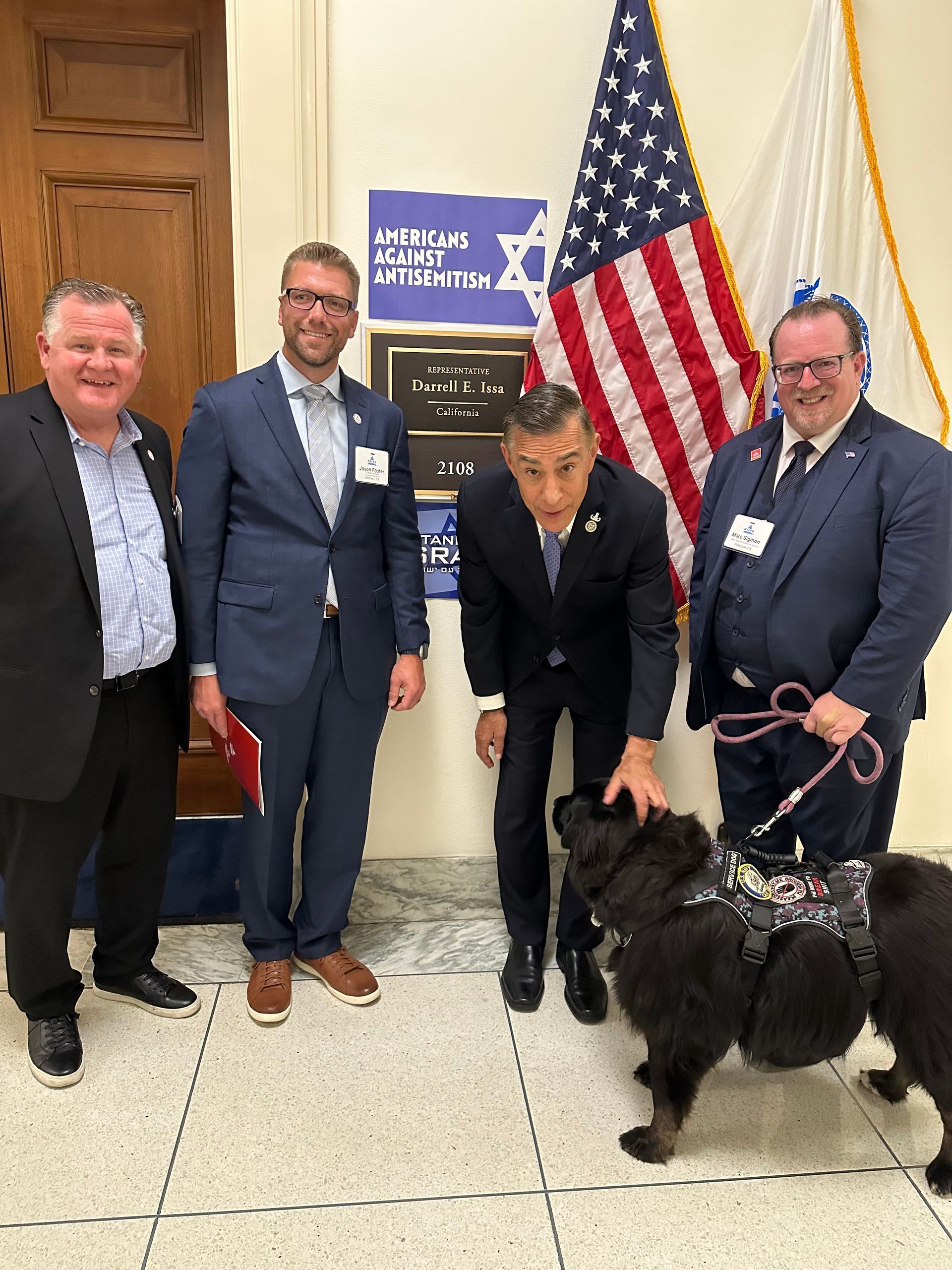
National Association of Insurance and Financial Advisors (NAIFA)'s Signature Grassroots Advocacy Event

By insurance May 1, 2024
Marc Sigmon continues to serve community and fellow service members as a certified life and health insurance agent
September 6, 2022
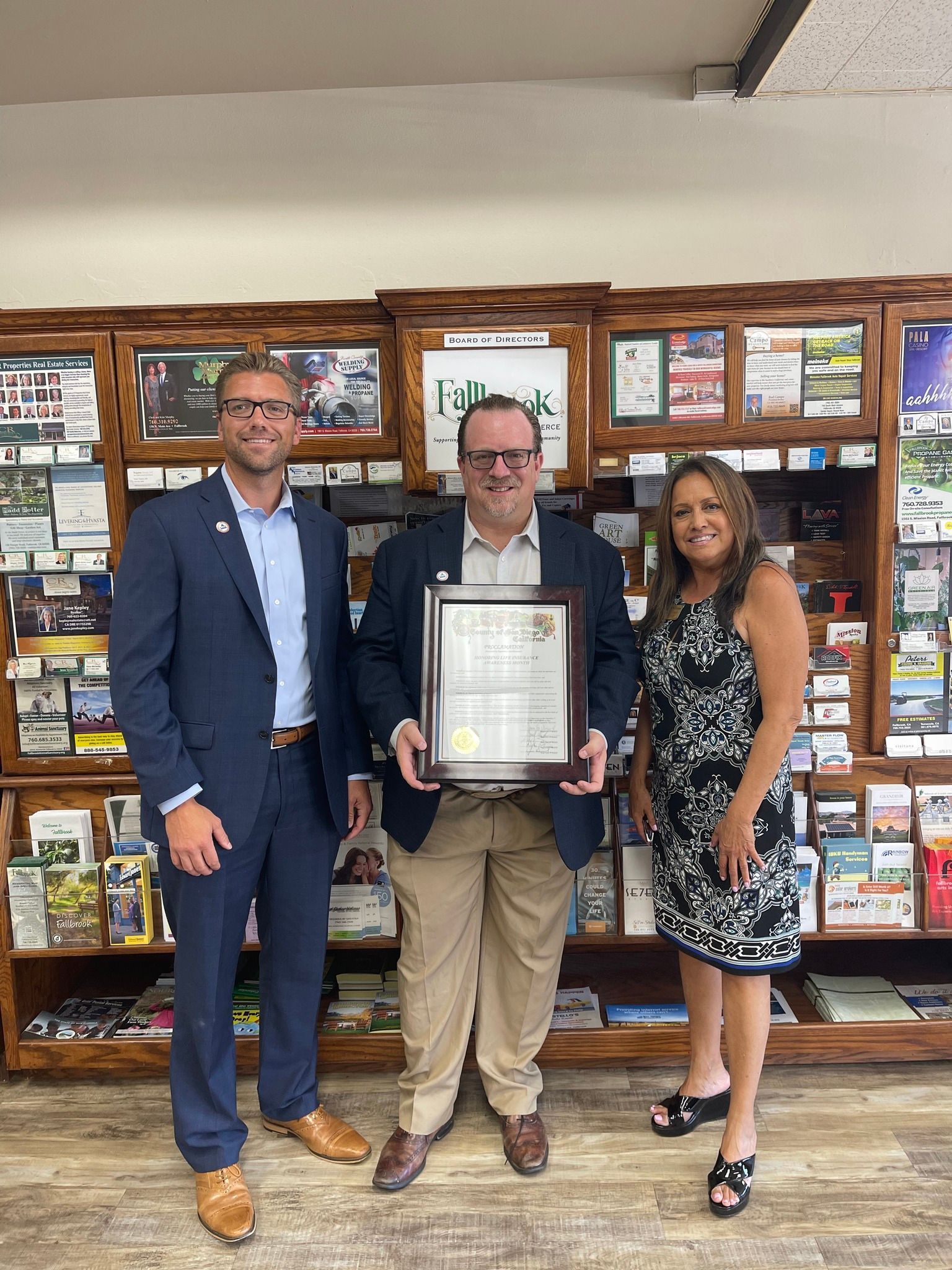
Marc Sigmon recognized at Fallbrook Chamber of Commerce during Life Insurance Awareness Month
June 1, 2022
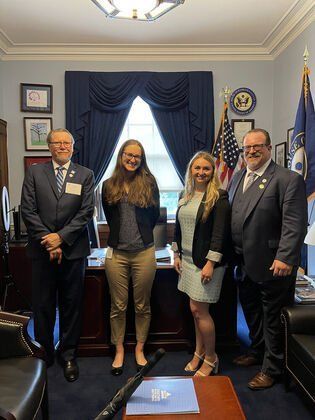
Marc Sigmon, far right, visits the legislative office of Congressman Mike Levin (CA-49) with, from left, Mike Wilbanks, a NY Life agent; Alison Feinswog, Levin's legislative assistant; and Lauren Crumbaker, another NY Life agent. (courtesy Village News) Marc Sigmon, agent/CEO of Marc Sigmon Insurance Agency, spent three days in Washington, D.C., as part of the National Association of Insurance and Financial Advisors Congressional Conference. The congressional conference, held May 23-24, was to build or establish relationships with local advisors and agents within each district to address critical issues now and into the future.

May 6, 2022
Marc Sigmon continues to serve community and fellow service members as a certified health insurance agent

April 8, 2022
Considering permanent cash value life insurance with Marc Sigmon Insurance Agency
February 28, 2022
Planning ahead with Marc Sigmon Insurance Agency and other partners
January 17, 2022
How Life Insurance Works with Estate Planning through Marc Sigmon Insurance Agency
Show More